
Why Use Amber Glass Bottles for Essential Oils
Introduction
Packaging is a functional part of any DIY skincare formulation. It protects the product from environmental exposure, supports safe handling, and helps preserve the quality of ingredients between batches and use. This is especially important when working with essential oils, which contain volatile aromatic compounds that can gradually change when exposed to light, oxygen, heat, moisture, or incompatible packaging materials.
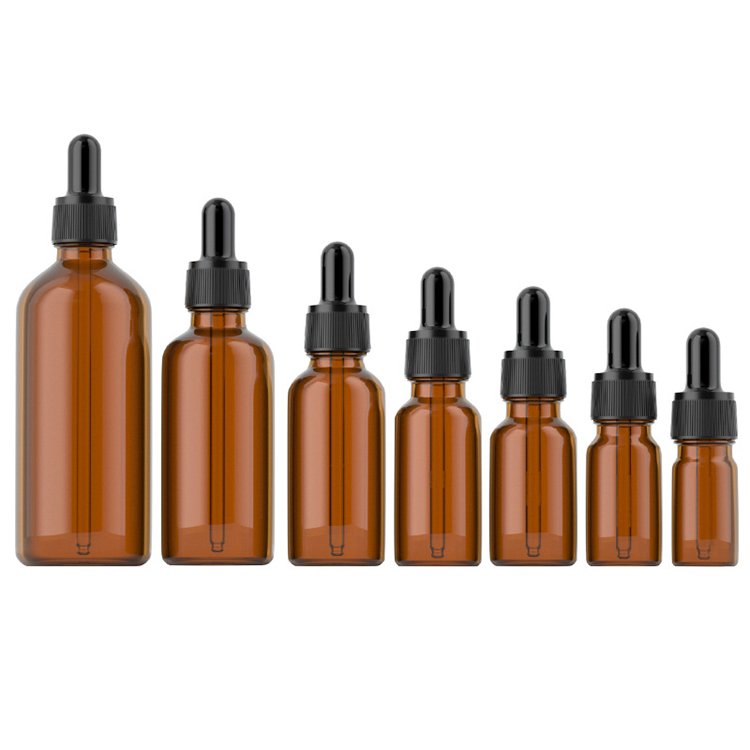
Amber glass bottles are widely used for storing essential oils because they provide a combination of light protection, material stability, and practical usability. The amber coloration helps reduce exposure to ultraviolet and some visible light, while the glass itself is generally resistant to absorbing or chemically reacting with many concentrated aromatic compounds.
For DIY skincare makers, the benefit is not simply that amber bottles look professional. The correct bottle can help maintain an essential oil’s aroma and composition for longer, provided that it is paired with appropriate closures and stored under suitable conditions.
What Makes Amber Glass Different?
Amber glass is glass colored with compounds that give it a brown or golden-brown appearance. This coloration filters much of the ultraviolet light that would otherwise pass through clear glass. Depending on its specific composition, thickness, and manufacturing standard, amber glass may also reduce some short-wavelength visible light.
This matters because light can contribute to photochemical reactions. In an essential oil, these reactions may alter certain aromatic constituents and accelerate quality loss. The result can be a change in scent, color, viscosity, or overall performance in a skincare formulation.
Amber glass does not block every wavelength of light, and it is not a substitute for proper storage. Direct sunlight, high temperatures, repeated opening, and excessive air exposure can still degrade an essential oil. However, compared with clear glass, amber glass provides an additional protective barrier without requiring the product to be stored in complete darkness.
How Amber Glass Helps Preserve Essential Oils
1. It reduces light exposure
Ultraviolet radiation can promote photodegradation, a process in which light initiates chemical changes in sensitive compounds. Some essential oils contain constituents that are particularly vulnerable to oxidation and light-induced changes.
Using amber glass reduces the amount of damaging light reaching the contents. This is useful for both pure essential oils and skincare products containing essential oils, such as facial oils, body oils, balms, and anhydrous serums.
The level of protection depends on more than color alone. Bottle thickness, the intensity of the light source, the duration of exposure, and the oil’s chemical profile all influence the outcome. A dark cupboard remains better than a sunny windowsill, even when the bottle is amber.
2. It helps slow quality changes caused by oxidation
Oxidation occurs when oxygen reacts with components of an essential oil. Over time, oxidation can produce chemical changes that affect fragrance, stability, and skin-sensitization potential. Oxidized essential oils may not smell as fresh, and some oxidized constituents can be more irritating for certain users.
Amber glass does not remove oxygen from the bottle, so it cannot prevent oxidation by itself. Its role is to reduce one important source of stress: light exposure. To further limit oxidation, use a correctly sized bottle, keep it tightly closed, avoid unnecessary opening, and store it in a cool, stable environment.
3. It helps maintain aroma and formulation consistency
Essential oils are valued for their characteristic aromatic profiles. If an oil changes significantly during storage, the scent of a finished formulation may also change. This can be particularly noticeable in products where essential oils contribute substantially to the sensory experience, such as facial serums, massage oils, solid perfumes, and botanical balms.
For makers who produce repeated batches, consistent packaging also supports more consistent results. Storing the same ingredient in appropriately sized amber bottles can make it easier to compare batches and identify whether a change is related to the formula, raw materials, or storage conditions.
4. It supports protection during routine handling
Essential oils are often kept in workspaces where they may be exposed to artificial lighting, open shelving, or frequent handling. Amber glass offers passive protection during these everyday conditions. It is particularly useful when a bottle is opened repeatedly over several weeks or months.
Even so, frequent handling should be managed carefully. Wipe the outside of the bottle if necessary, avoid touching the dropper or bottle opening, and return the container to storage promptly after use.
Why Glass Is Often Preferred Over Many Plastics
Glass is generally regarded as a stable packaging material for many essential oils and concentrated aromatic ingredients. It has a low tendency to absorb the oil, and it does not typically contribute plasticizers or other packaging components to the formula when the bottle and closure are properly selected.
Some essential oils contain compounds that can soften, swell, stain, or permeate certain plastics. The risk depends on the plastic type, the essential oil, its concentration, contact time, temperature, and the design of the container. A plastic that is suitable for a dilute lotion may not be suitable for neat essential oils or highly concentrated blends.
This does not mean that every plastic container is unsuitable. Certain plastics can be appropriate for specific formulations and uses when their chemical compatibility has been evaluated. However, for small-batch storage of pure essential oils and concentrated blends, amber glass is often a conservative and reliable choice.
The closure must also be considered. A glass bottle with an incompatible dropper bulb, liner, gasket, or cap may still create a packaging problem. The complete container-closure system – not just the bottle body – should be assessed.
Choosing the Right Amber Glass Bottle
Select an appropriate bottle size
Choose a bottle that matches the quantity you expect to use within a reasonable period. An oversized bottle leaves more air, or headspace, above the oil after partial use. More headspace generally means more available oxygen, which can contribute to oxidation over time.
For infrequently used oils, smaller bottles may help reduce prolonged exposure after opening. For frequently used ingredients, choose a size that avoids unnecessary refilling while still limiting excess air.
Choose the right closure
Different applications require different dispensing systems:
- Dropper or reducer insert: Useful for controlled drops and small-batch blending.
- Orifice reducer: Helps dispense small amounts while limiting accidental spills.
- Roller-ball closure: Convenient for pre-diluted personal-use blends, but less suitable for neat oils that require precise measuring.
- Fine-mist sprayer: Appropriate only for formulas with suitable viscosity and a compatible spray system.
- Screw cap: Useful for bulk storage or when the oil is transferred into a separate measuring vessel.
Closures should seal securely and use materials compatible with the formula. If the product will be sold, packaging should also be evaluated for leakage, transport conditions, labeling, and repeated consumer use.
Consider the bottle shape
A narrow-neck bottle can help limit the exposed surface area during dispensing. A wider bottle may be easier to fill and clean but can increase the potential for spills and air exchange. Select the shape based on the viscosity of the contents, filling method, dispensing needs, and intended user.
Use clean, dry containers
Water contamination is especially important to avoid when storing neat essential oils. Although many essential oils do not support microbial growth in the same way as water-based products, moisture can still affect certain formulas and may create problems when the oil is later incorporated into an emulsion or other water-containing product.
New containers are usually the most straightforward option for small-scale work. If containers are reused, they must be cleaned, rinsed appropriately, fully dried, and inspected for residual fragrance, damage, or closure wear.
Amber Glass Compared With Other Bottle Colors
Clear glass
Clear glass provides little protection from ultraviolet and light exposure. It may be acceptable for short-term use when the container is kept in a dark location, but it offers less passive protection during handling, transport, or display.
Clear glass is sometimes selected for visual presentation because it allows the product’s color to be seen. For light-sensitive essential oils, however, appearance should not take priority over stability unless the storage and usage conditions are tightly controlled.
Cobalt blue glass
Cobalt blue glass is another common option for essential oils and botanical products. Like amber glass, it reduces certain wavelengths of light, but its precise protective performance depends on the glass formulation and thickness. Both colors can be useful; the important principle is to avoid unnecessary light exposure and select packaging from a reliable supplier.
Green glass
Green glass may provide some light filtering, but not all green glass offers the same level of protection. If light sensitivity is a major concern, verify the supplier’s packaging specifications instead of relying only on the appearance of the container.
Opaque containers
Opaque packaging can provide stronger light protection than translucent colored glass. It may be appropriate for highly light-sensitive formulas, although it makes it more difficult to inspect the contents visually. For many DIY applications, amber glass offers a practical balance between protection and usability.
Best Practices for Filling and Storing Essential Oils
Keep the bottle tightly closed
Close the bottle immediately after dispensing. Leaving the container open increases exposure to oxygen and allows volatile components to evaporate. A secure closure also reduces the risk of contamination and accidental spills.
Store bottles away from heat and sunlight
Keep essential oils in a cool, dry, stable environment away from windows, radiators, hot equipment, and areas with large temperature fluctuations. Heat can accelerate chemical reactions and increase evaporation, while sunlight adds unnecessary light exposure.
A dark cupboard or drawer is usually more suitable than an open shelf. Refrigeration may be appropriate for some products, but condensation, temperature cycling, and manufacturer recommendations should be considered before using a refrigerator.
Minimize headspace after opening
When practical, avoid storing a small amount of oil in a large bottle for an extended period. Excess headspace increases the volume of air available above the oil. Transferring the oil to a smaller compatible bottle can reduce this, but every transfer also introduces handling and contamination risks. Plan bottle sizes carefully from the beginning.
Label every bottle clearly
A useful label should include the common name, botanical name where relevant, batch or lot information, date received or opened, and any applicable safety notes. For diluted blends, include the dilution percentage, carrier oil, and date of preparation.
Clear labeling prevents accidental misuse and helps you track how long an ingredient has been open. This is particularly important when several oils have similar appearances or when a blend has been prepared for later use.
Inspect the oil before use
Before adding an essential oil to a skincare formula, check its aroma, color, clarity, and consistency against your expectations. A change does not automatically mean the oil is unusable, but it should prompt further evaluation. If the scent is unusually harsh, stale, or significantly different, do not use the oil on skin without understanding the cause of the change.
Common Mistakes DIY Skincare Makers Should Avoid
Mistake 1: Treating amber glass as complete protection
Amber glass reduces light exposure, but it does not prevent oxidation, evaporation, or heat-related degradation. Storage conditions and handling practices remain essential.
Mistake 2: Using the largest bottle available
A large bottle may appear economical, but it can leave excessive headspace as the oil is consumed. Choose packaging based on actual usage rather than convenience alone.
Mistake 3: Focusing only on the glass bottle
The cap, liner, insert, bulb, and dispensing mechanism can all contact the formula. Check the compatibility of the entire closure system, especially when storing neat essential oils.
Mistake 4: Leaving oils on a sunny work surface
A bottle may be amber, but repeated exposure to direct sunlight and heat still creates avoidable stress. Return oils to dark storage after each use.
Mistake 5: Failing to record opening dates
Without an opening date, it is difficult to interpret a change in aroma or performance. Simple batch records improve quality control and help identify storage problems.
Mistake 6: Ignoring safety and dilution requirements
Good packaging does not make an essential oil safe to apply undiluted. Essential oils are highly concentrated materials and should be used according to appropriate dermal dilution guidance, supplier documentation, and the requirements of the intended product.
A Practical Packaging Checklist
Before storing an essential oil, confirm that:
- The bottle is amber or otherwise designed to reduce light exposure.
- The bottle size matches the expected usage period.
- The closure is secure and chemically compatible.
- The container is clean and completely dry.
- The label identifies the oil and relevant batch information.
- The bottle will be stored away from sunlight and heat.
- The opening date will be recorded.
- The oil will be handled with appropriate safety precautions.
Conclusion
Amber glass bottles are a practical packaging choice for essential oils because they reduce exposure to ultraviolet and some visible light while providing a stable container for many concentrated aromatic ingredients. For DIY skincare makers, this can help protect aroma, support formulation consistency, and reduce one source of avoidable degradation.
The bottle is only one part of the preservation system. The best results come from combining amber glass with suitable closures, correctly sized containers, minimal air exposure, careful labeling, and cool, dark storage. It is also important to evaluate the compatibility of the complete container-closure system and to follow appropriate essential-oil safety practices.
If you are preparing a new DIY skincare batch, start by selecting an amber glass bottle that matches the product’s volume and dispensing method. Then label it clearly, record the opening or preparation date, and store it away from light and heat. These small packaging decisions can make your formulations more consistent and easier to manage over time.