
Why do Pressure Sensitive Liners matter for your jars
You want your products to be fresh and safe. Pressure Sensitive Liners help by sealing jars very well. These liners work with glass and plastic containers. They keep air and water out, so your things stay safe. Check the table below to see how they help:
| Benefit | Description |
|---|---|
| Leakage Prevention | Stops leaks and product loss when you open or close the cap. |
| Airtight Seal | Blocks oxygen and gases, keeping contents safe inside. |
| Freshness Retention | Keeps products fresh by stopping outside elements from getting in. |
Picking the right liner is important for you and your customers.
Key Takeaways
- Pressure Sensitive Liners make a tight seal. This keeps products fresh by stopping air and water from getting in. These liners stop leaks and keep products from spilling. This saves money and keeps things clean when storing or shipping. They show if someone has opened the product. This helps customers feel safe about what they buy, but these liners do not meet FDA rules. Picking the right liner for your product is very important. It stops food from going bad and makes sure the seal works well. Using eco-friendly liners can bring in customers who care about the planet. These liners also help lower harm to the environment.
What Are Pressure Sensitive Liners
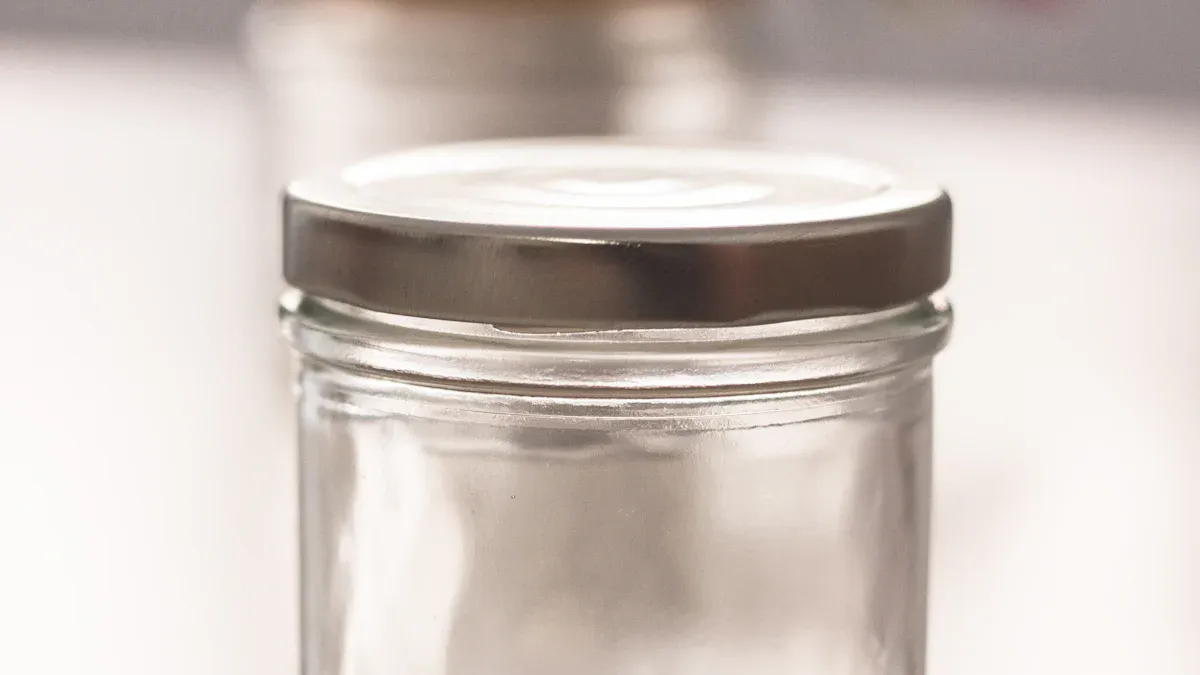
Pressure Sensitive Liners help you seal jars and containers without extra equipment. These liners use a special adhesive to stick to the rim of your jar. You can use them with glass or plastic containers. They work well with lined or unlined caps. Their main job is to keep dry products safe and fresh.
Tip: You do not need machines to apply these liners. Just press and twist the cap onto the jar.
Here is a quick look at what makes Pressure Sensitive Liners unique:
| Definition | Primary Function |
|---|---|
| Pressure sensitive liners are polystyrene foam disks with an adhesive layer at the bottom. | They create a seal suitable for dry products without requiring additional equipment for application. |
How They Work
You activate the liner by screwing the cap tightly onto the jar. The pressure bursts tiny bubbles in the adhesive. This action releases the glue and sticks the liner to the rim. You get an airtight seal that keeps out air and moisture. The seal also shows tamper evidence. If someone tries to open the jar, the liner creases and makes tampering easy to spot.
Steps to apply a pressure sensitive liner:
- Clean the rim of your jar.
- Place the liner on the rim.
- Screw the cap on tightly.
- Wait 24-48 hours for the seal to set.
Types and Applications
You find different types of pressure sensitive liners in the market. Most use foam or paper backing with an adhesive layer. The key part is the adhesive, which works best for dry products. You should not use these liners for liquids. They fit many products, such as spices, vitamins, cosmetics, and pharmaceuticals. You can use them with both glass and plastic jars.
Note: Pressure Sensitive Liners do not meet FDA tamper-evident rules, but they still help you spot tampering.
You get a simple, effective way to protect your products and give your customers peace of mind.
Why Pressure Sensitive Liners Matter
Preserve Freshness and Prevent Contamination
You want your products to stay fresh and safe. Pressure Sensitive Liners help you do this. These liners use a special glue that seals out air and water. When you put the liner on, it makes a barrier. This barrier keeps things like air and water away from your product. Air and water can spoil or ruin your items. By blocking them, you keep your food, vitamins, or cosmetics good. You do not need machines to use these liners. You get a tight seal every time. This seal helps stop contamination and keeps things fresh longer.
Tip: Make sure the liner is flat on the rim before sealing. This step gives you the best protection.
Leak Prevention and Airtight Seal
Pressure Sensitive Liners stop leaks and product loss. When you screw the cap on, the glue activates. It makes a tight seal. The seal holds the liner in place until you open the jar. You avoid spills and waste. This saves you money and keeps shelves clean. The liner also blocks oxygen and gases. Oxygen can make products stale or lose flavor. Keeping oxygen out helps your products stay fresh. These liners work best with dry products. They may not seal well with liquids or in humid places.
Tamper Evidence and Safety
You want customers to feel safe when buying your products. Pressure Sensitive Liners show tampering if someone tries to open the jar. The liner creases or tears, so you can see if someone messed with it. These liners do not meet FDA rules for tamper evidence. You can take them off and put them back without clear signs. For food safety, use these liners only for dry products. They help you notice tampering but do not replace official seals.
- Pressure Sensitive Liners can be taken off and put back without clear tampering signs.
- The FDA does not count these liners as tamper-evident for food safety.
Shelf Life and Product Integrity
Pressure Sensitive Liners help your products last longer. They keep out air and water, so spoilage slows down. Your products stay fresh. They also stop leaks and product loss. This protects your brand and saves money. These liners work for food, drinks, medicines, and cosmetics. You get better product quality and happy customers.
| Application Area | Benefits |
|---|---|
| Food and Beverages | Keep products fresh, stop contamination, and make shelf life longer. |
| Pharmaceuticals | Focus on safety, follow rules, and stop tampering and contamination. |
| Cosmetics and Personal Care | Make products look good, stop leaks, and keep brand value. |
| Chemicals and Agrochemicals | Give chemical resistance and safe transport. |
| Industrial Products | Seal lubricants, glues, and other fluids. |
You can trust Pressure Sensitive Liners to keep your products safe, fresh, and ready for customers.
Benefits for Consumers and Businesses
Consumer Confidence
You want your customers to trust your products. Pressure Sensitive Liners show you care about safety and freshness. When you seal jars, buyers feel more at ease. But these liners do not always show tampering clearly. Someone can take them off and put them back without marks. Induction seals are better for showing tampering because they leave a foil ring. Still, Pressure Sensitive Liners help keep products fresh and clean. This helps build trust with your customers.
- Customers feel safer when jars have a seal.
- Pressure Sensitive Liners do not provide strong tamper evidence.
- Induction seals show tampering more clearly.
Reduced Returns and Waste
You want to save money and protect your brand. Pressure Sensitive Liners stop leaks and keep products fresh. You avoid spills and spoilage, so customers do not return damaged goods. You also cut down on waste because products stay safe during shipping and storage. Many businesses pick these liners because they are easy to use and cost less than other types. You do not need special machines to put them on.
| Liner Type | Cost-Effectiveness |
|---|---|
| Pressure Sensitive Liners | Generally more cost-effective and accessible. |
| Heat Induction Liners | Can be more expensive due to additional equipment costs. |
| Benefit | Description |
|---|---|
| Ease of Application | Can be applied by hand, eliminating the need for sealing equipment. |
| Cost-Effectiveness | Reduces costs associated with sealing equipment and energy use. |
| Leakage Prevention | Prevents leakage and product loss, ensuring product safety. |
| Maintains Product Freshness | Airtight seal prevents contact with oxygen and other gases, prolonging freshness. |
Industry Compliance
You want your packaging to follow industry rules. Pressure Sensitive Liners work well for dry products. But they do not meet FDA rules for tamper evidence. If you need stronger tamper protection, you should use induction seals. Many companies sell these liners in large amounts. You can order them from places like Berlin Packaging, The Cary Company, and SKS Bottle. You should check with each company for prices and options.
| Source | Description | Bulk Pricing Availability |
|---|---|---|
| Berlin Packaging | General information about pressure sensitive liners. | Not available, contact for pricing. |
| The Cary Company | 20mm pressure sensitive liner for various products. | Not specified, check for details. |
| SKS Bottle | Pressure sensitive lined caps for multiple industries. | Not specified, check for details. |
Note: Pressure Sensitive Liners are often made from polystyrene, which is not recyclable in many places. The glue can make recycling harder. You can pick other liners that use recyclable materials to help the environment.
- Eco-design helps you cut waste by using recyclable materials.
- Clean release adhesives make recycling easier.
- New technology makes recycling better for pressure-sensitive labels.
You help your business and your customers by picking the right liner for your needs.
Choosing the Right Liner
Key Factors
You need to think about a few things before picking a pressure sensitive liner for your jars. The kind of product you want to seal is very important. Some liners work better with food, vitamins, or cosmetics. Make sure the liner matches your product so you do not have problems like spoilage or chemical reactions. How much sealing you need also matters. Some products need strong barriers to keep out air, water, or smells. Look for liners that give the right protection.
- Product type
- Product compatibility
- Sealing requirements
- Barrier properties
- Chemical resistance
Tip: Always pick a liner that fits your product and packaging needs. This helps keep your products safe and fresh.
Material Compatibility
You must check if the liner fits your jar and cap. Pressure sensitive liners work with glass and plastic containers. They also fit lined or unlined caps. Check the size of your jar opening and how thick the liner is. If you use the wrong size, you might get leaks or a weak seal. Some liners do not work well with liquids. They are best for dry products. Think about chemical resistance too. Some products can hurt the liner or react with it. Always test the liner with your product before using it on all your jars.
| Challenge | Description |
|---|---|
| Limitations and Availability | Sometimes you wait longer because of material shortages or eco concerns. |
| Expensive to Manufacture | Not many companies make liners, so they can cost more. |
| Environmental Sustainability | Many liners are hard to recycle, which can be bad for the planet. |
| Limited Application | These liners work best for dry products and may not seal liquids well. |
| Lack of Tamper Evidence | Liners can be taken off and put back without showing tampering, which may raise safety concerns. |
Application Tips
You want your liners to work well. Store them in a cool, dry place between 60–80°F (15–26°C). Keep humidity between 40–60%. Do not put them in sunlight or near heat. Use good packaging so liners do not move around. Leave space for pull-tabs so they do not peel off early. Protective liners help keep the glue strong until you use them.
| Best Practice | Description |
|---|---|
| Proper packaging | Keeps liners in good shape and stops them from moving around. |
| Space for pull-tabs | Stops liners from peeling off before you use them. |
| Protective liners | Keeps glue strong until you are ready to seal your jars. |
Note: Always test a few liners before sealing all your jars. This helps you avoid problems and keeps your products safe.
You want your products to be safe, fresh, and look good. Pressure Sensitive Liners help by sealing jars tightly. They stop leaks and keep things inside. You can put these liners on by hand. This saves you both money and time. You can use them for many different products. If you pick liners that are better for the planet, you show you care about nature. This also brings in customers who like eco-friendly choices.
- Stop leaks and keep products from spilling
- Keep products fresh with a tight seal
- Save money and work faster with easy solutions
- Get more customers by using green options
Pick the right liner to keep your products safe and help your business grow.
FAQ
What products work best with pressure sensitive liners?
You should use these liners for dry products like spices, vitamins, or powders. They do not seal liquids well. You get the best results with glass or plastic jars.
Can you reuse a pressure sensitive liner?
No, you should not reuse these liners. Once you remove the liner, it loses its seal. You need a new liner for each jar to keep products safe.
How do you know if the liner sealed correctly?
Check if the liner sticks flat to the jar rim. Press the cap on tightly. Wait 24–48 hours. If the liner does not move when you open the cap, you have a good seal.
Are pressure sensitive liners safe for food?
Yes, most pressure sensitive liners use food-safe materials. You should always check with your supplier to make sure the liner meets safety standards for your product.